Ask me more!
Welcome to the Triassic Period
A world of recovery and rebirth, where new life emerged, and the first dinosaurs began their rise to dominance amid vast deserts and shallow seas.
Archosaur Dominance and Early Dinosaur Origins
In the early and middle Triassic, the world was dominated by archosaurs, a group of reptiles that included ancestors of crocodiles, pterosaurs, and dinosaurs. In the aftermath of the Permian-Triassic extinction, archosaurs quickly diversified and adapted to new environments. The first true dinosaurs began to evolve from small, bipedal archosaurs around 230 million years ago, during the late Triassic.
.jpg)
Examples of how archosaurs could have looked.
The First Dinosaurs Emerge
The earliest known dinosaurs, such as Herrerasaurus, Eoraptor, and Staurikosaurus, appeared in what is now South America. These small, agile creatures were fast and bipedal, with early carnivorous species leading the way. The appearance of these dinosaurs marks a key evolutionary moment, as they were among the first to show traits that would define the group, such as upright posture and specialized teeth.
Theropods: Early Dinosaur Predators
Theropods, which would later include fearsome predators like Tyrannosaurus rex, had humble beginnings in the Triassic. Early theropods, such as Coelophysis, were small, bipedal carnivores that preyed on small animals and possibly scavenged. These dinosaurs set the evolutionary foundation for future apex predators in the Jurassic and Cretaceous periods.
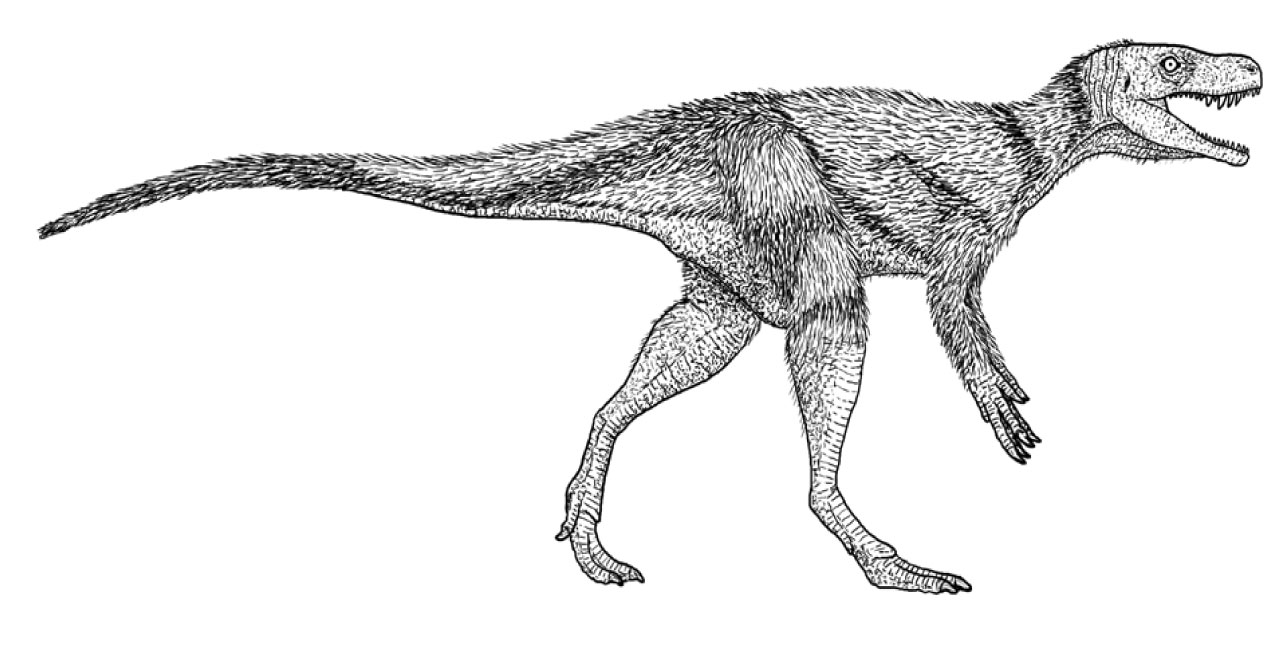
The Chindesaurus was among this group of early Triassic theropods.
Sauropodomorphs: Herbivores Evolve
At the same time as theropods, another group of dinosaurs called sauropodomorphs emerged. Plateosaurus, one of the best-known sauropodomorphs from this period, was an herbivore that walked on two legs but could also use all four. These early sauropodomorphs were relatively small compared to their later descendants, but they began to experiment with large body sizes and long necks, trends that would define their lineage in the Jurassic.
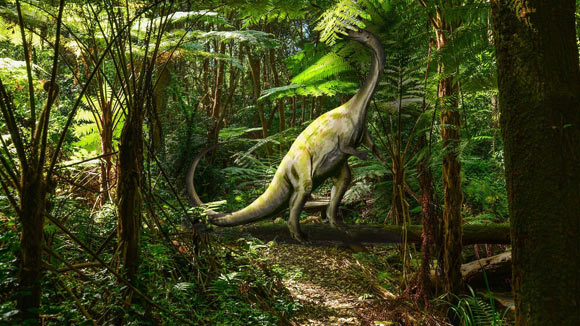
A sauropodomorph explores the lush, green forests of the Triassic Period, surrounded by ferns and towering trees.
Dinosaur Competition with Other Reptiles
In the Triassic, dinosaurs were not yet the dominant land animals. They faced stiff competition from large predatory reptiles like rauisuchians (crocodile relatives) and herbivorous dicynodonts (therapsid reptiles). These groups shared many ecosystems with early dinosaurs, and it was a time of evolutionary experimentation as dinosaurs vied for survival and dominance against these larger, established species.
Dinosaur Adaptability and Evolutionary Success
As the late Triassic progressed, dinosaurs began to show greater adaptability than their reptilian competitors. Their upright posture, efficient breathing systems, and bipedal locomotion gave them advantages in mobility and endurance. These traits allowed dinosaurs to exploit new ecological niches, slowly increasing their numbers and diversity.
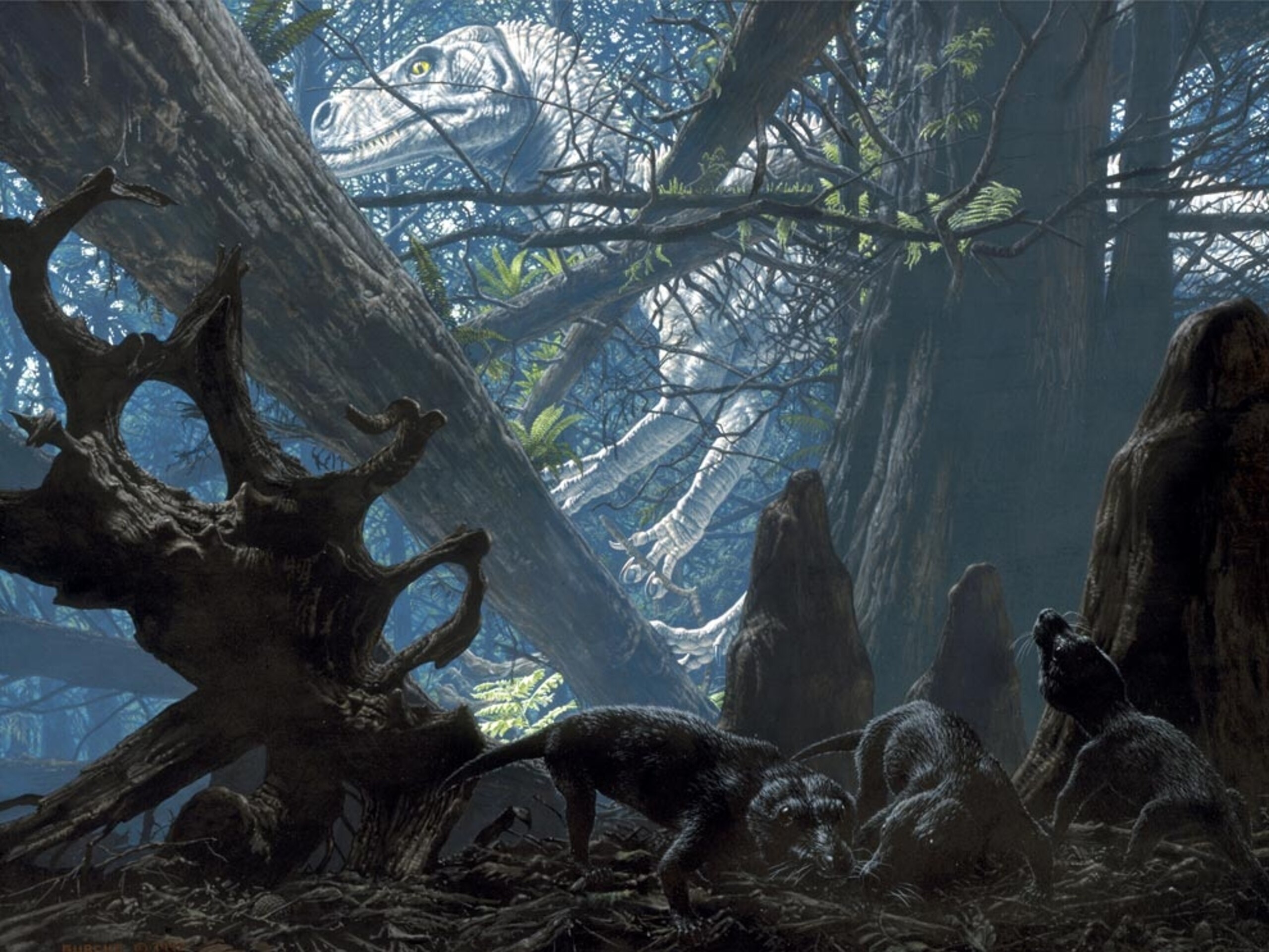
A Herrerasaurus hunts for its next meal in a forest in modern day South America.
The Rise of Herbivorous Dinosaurs
In parallel with the growth of carnivorous theropods, herbivorous dinosaurs also became more diverse. Early sauropodomorphs, such as Massospondylus, began to dominate certain environments. Their long necks allowed them to reach higher vegetation, giving them a competitive edge in resource-poor environments. Over time, their size increased, further establishing their role in ecosystems.
The End-Triassic Extinction
The Triassic ended with a massive extinction event, caused by volcanic eruptions linked to the break-up of Pangaea and subsequent climate change. This event, known as the Triassic-Jurassic extinction, wiped out many dominant groups, including rauisuchians and many large therapsids. Dinosaurs, however, survived and capitalized on the extinction of their competitors, becoming the dominant land animals in the Jurassic.
Dinosaur Dominance After the Extinction
With many of their competitors gone, dinosaurs quickly filled the vacant ecological niches after the extinction. Both carnivorous theropods and herbivorous sauropodomorphs diversified and spread across the supercontinent of Pangaea. The Triassic-Jurassic transition marked the beginning of the Age of Dinosaurs, as they rose to prominence and spread across the globe, setting the stage for their dominance in the Jurassic and Cretaceous periods.
